
Treatment overview
About clear braces
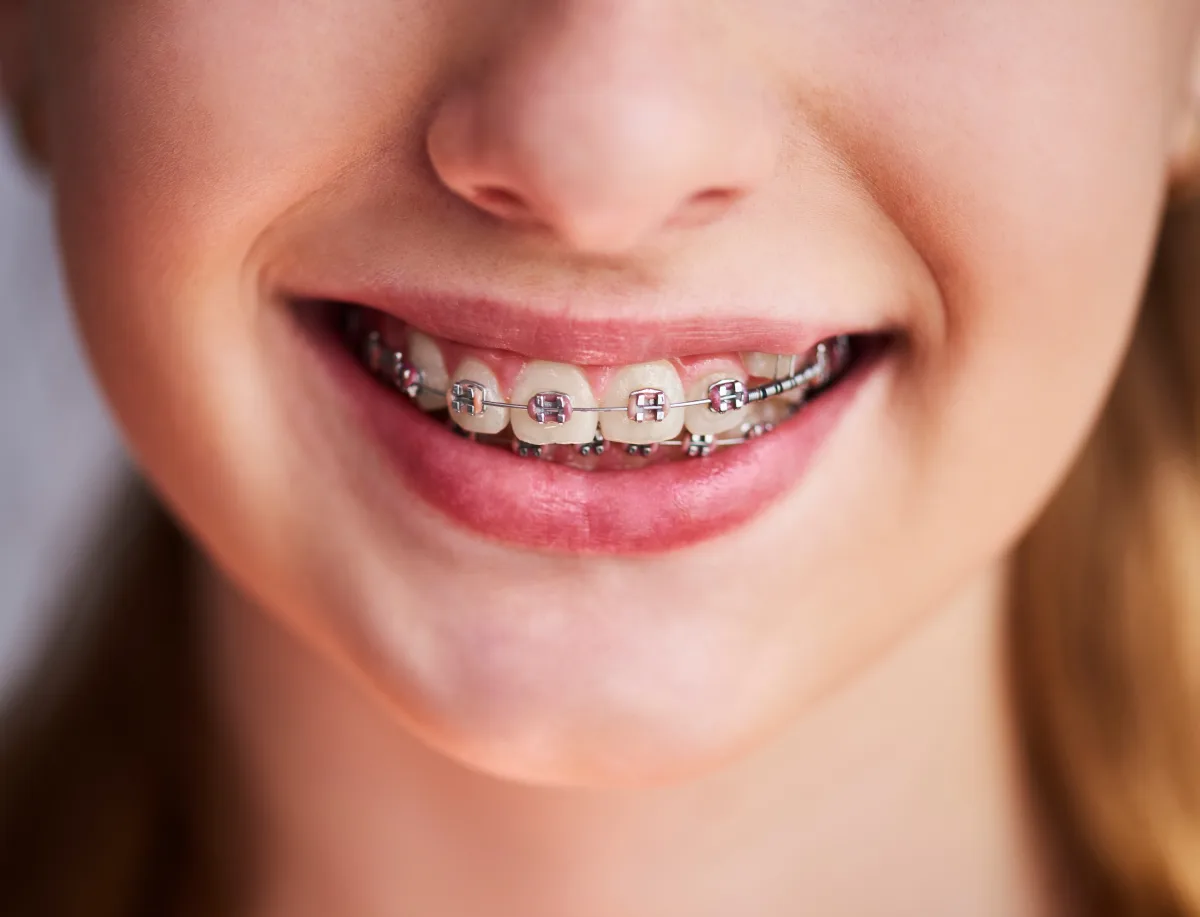
Clear ceramic braces combine the precise control of fixed orthodontic treatment with brackets designed to blend more naturally with the teeth.
Like metal braces, ceramic braces use bonded brackets and an archwire to apply light, controlled force. Your orthodontist adjusts the wire and other components over time to guide alignment and improve the way the upper and lower teeth fit together.
Clear braces remain attached throughout treatment, so they work continuously without requiring patients to track daily wear time. They are particularly popular with older teens and adults who want a subtle appearance but prefer the reliability of a fixed appliance. Ceramic brackets are not ideal for every bite, which is why the recommendation begins with an orthodontic examination.
- Tooth-colored ceramic brackets
- Clear or tooth-colored elastics
- Treatment for teens and adults
- Custom wire and adjustment sequence
- Flexible payment options
Benefits of clear ceramic braces
Designed to blend
Ceramic brackets are made to coordinate with the natural color of the teeth for a more understated appearance.
Fixed and dependable
Clear braces remain in place and work continuously without relying on daily aligner wear.
Specialist planned
Every bracket, wire and adjustment follows a treatment plan designed by your orthodontist.
What are clear ceramic braces?
Clear braces work in the same general way as metal braces. Brackets are bonded to the teeth and connected by an archwire that applies carefully controlled pressure. The primary difference is the bracket material. Ceramic brackets are translucent or tooth colored, helping them blend with the teeth from conversational distance.
Because clear braces are fixed, patients do not need to remember to wear them. They can be used for many alignment and bite concerns, including crowding, spacing and certain overbite or crossbite problems. The wires may still be visible, although coated or lighter-colored components can make the overall appearance more subtle.
Clear braces versus traditional metal braces
Metal braces are highly durable, efficient and generally the most versatile fixed option. Ceramic brackets provide a more discreet look but can be slightly larger and more brittle. They may not be recommended for every tooth or bite relationship, particularly where opposing teeth could contact the brackets.
Treatment time is often similar when the same correction is being performed, although individual biology and case complexity matter more than bracket color. Some patients choose clear braces on the upper teeth and metal braces on the lower teeth. Your orthodontist can explain which combination offers the best balance of appearance, durability and control.
Clear braces versus Invisalign
Clear braces and Invisalign are both less noticeable than conventional metal braces, but they fit daily life differently. Clear braces stay attached to the teeth and work continuously. Invisalign aligners are removable for meals and cleaning but generally need to be worn 20 to 22 hours each day.
Patients who prefer a fixed appliance or do not want to manage aligner wear may favor clear braces. Patients who prioritize removability and are comfortable tracking aligners may prefer Invisalign. The type of movement required also influences the recommendation. We compare both options during your consultation rather than assuming one is universally better. Compare Invisalign and braces for a fuller look at the tradeoffs.
How much do clear braces cost?
Clear braces may cost more than traditional metal braces because of the ceramic materials and the way they are handled during treatment. The overall fee also depends on treatment complexity, estimated duration and whether ceramic brackets are used on one or both arches.
At your complimentary consultation, you will receive a personalized treatment plan and fee. Our team can review available insurance benefits and flexible payment choices. If cost is an important factor, review braces costs in St. Louis and compare clear braces, metal braces and Invisalign so you understand the complete investment and what each plan includes.
Caring for ceramic braces
The ceramic brackets themselves resist staining, but clear elastic ties can discolor from strongly pigmented foods and drinks. Coffee, tea, curry, tomato sauce and tobacco may affect their appearance. Good brushing and regular adjustment visits help keep the braces looking their best.
Avoid hard and sticky foods that can damage brackets or wires. Our braces food guide offers practical substitutions. Brush carefully around every bracket and beneath the wire, floss daily with the method demonstrated by our team and continue routine dental cleanings. Orthodontic wax can help with temporary irritation, and our office should be contacted if a bracket becomes loose or a wire is uncomfortable.
Who is a good candidate for clear braces?
Clear braces are often chosen by older teens and adults who want the predictability of fixed treatment with a less visible appliance. Healthy teeth and gums are important before beginning any orthodontic treatment. Existing dental restorations, gum concerns and the way the teeth bite together all need to be evaluated.
Ceramic braces may not be recommended for young patients who are likely to be hard on appliances or for situations where the lower teeth could damage upper ceramic brackets. If clear braces are not the best clinical match, we will explain why and help you compare modern metal braces or Invisalign.
Good questions. Clear answers.
Frequently asked questions
Do clear braces stain?+
Ceramic brackets resist staining, but the clear elastic ties around them may discolor. Good oral hygiene and attention to strongly pigmented foods can help.
Are clear braces as effective as metal braces?+
They can treat many of the same concerns. Metal may be recommended for certain complex movements, bite relationships or patients who need maximum durability.
Are ceramic braces more expensive?+
They may carry a higher fee than metal braces because of the materials used. Your consultation includes an exact comparison based on your plan.
Can adults get clear braces?+
Yes. Adults are among the most common clear-braces patients because they value a subtle appearance with fixed treatment.