Treatment overview
About orthodontic braces
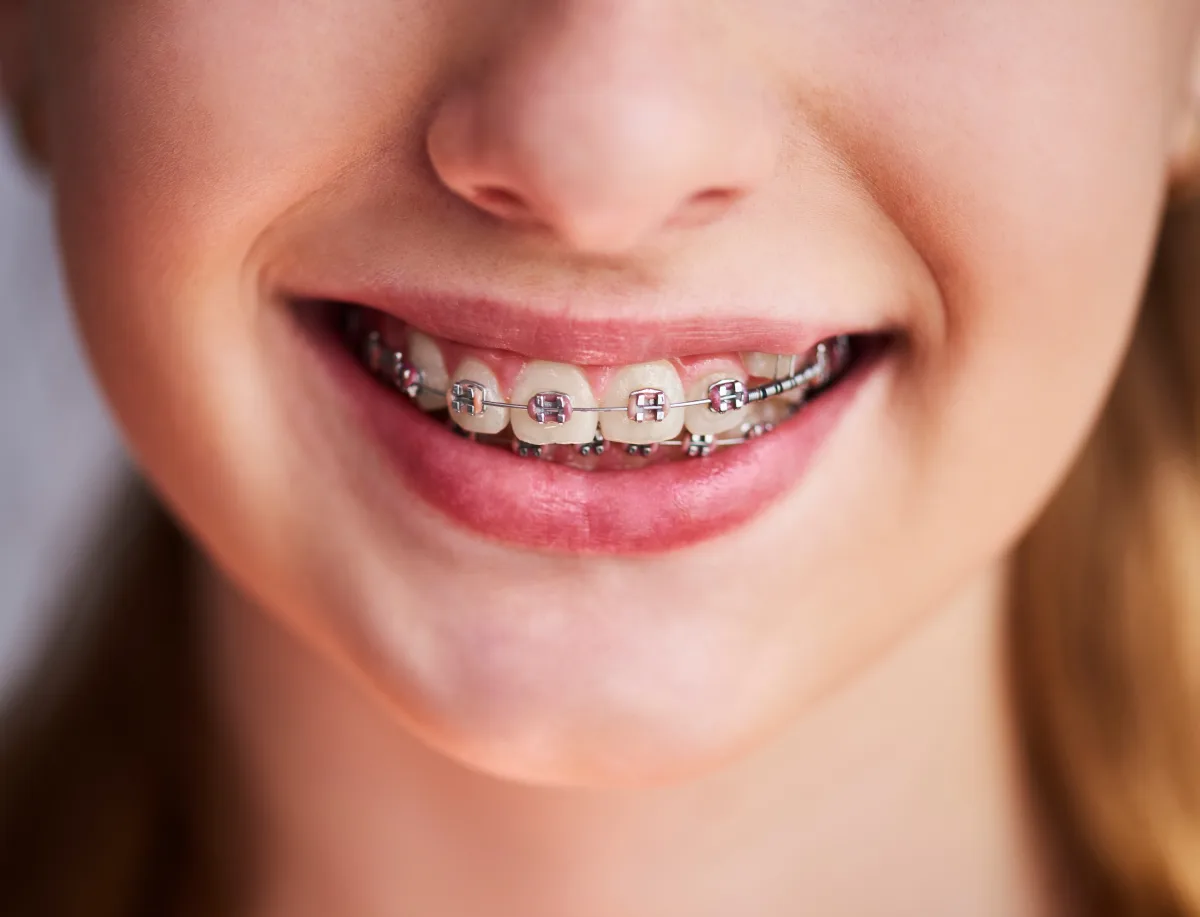
Braces use brackets and a carefully selected archwire to apply light, controlled forces to the teeth. They remain one of the most precise and versatile ways to correct crowding, spacing and bite problems for children, teenagers and adults.
Modern braces are smaller and more comfortable than the appliances many adults remember. As treatment progresses, your orthodontist changes wires, adjusts elastics and directs individual tooth movement according to a plan built around your bite—not simply the appearance of the front teeth.
Because braces remain attached, they work continuously and do not depend on remembering to wear an appliance. That reliability makes them especially practical for younger patients and for complex movements that benefit from detailed fixed control. Metal and clear ceramic options allow many patients to choose the balance of appearance, durability and efficiency that fits them best. Every plan is directed by our St. Louis orthodontists.
- Traditional metal braces
- Clear ceramic braces
- Braces for children and teens
- Adult braces
- Retainers and long-term stability
- Flexible payment options
Benefits of modern braces
Precise control
Fixed brackets and wires give your orthodontist detailed control over the direction and timing of tooth movement.
Versatile treatment
Braces can address straightforward alignment concerns as well as more complex bite and jaw relationships.
Modern comfort
Smaller brackets, advanced wires and personalized adjustments make treatment more comfortable than many patients expect.
Growing smiles
Braces for kids
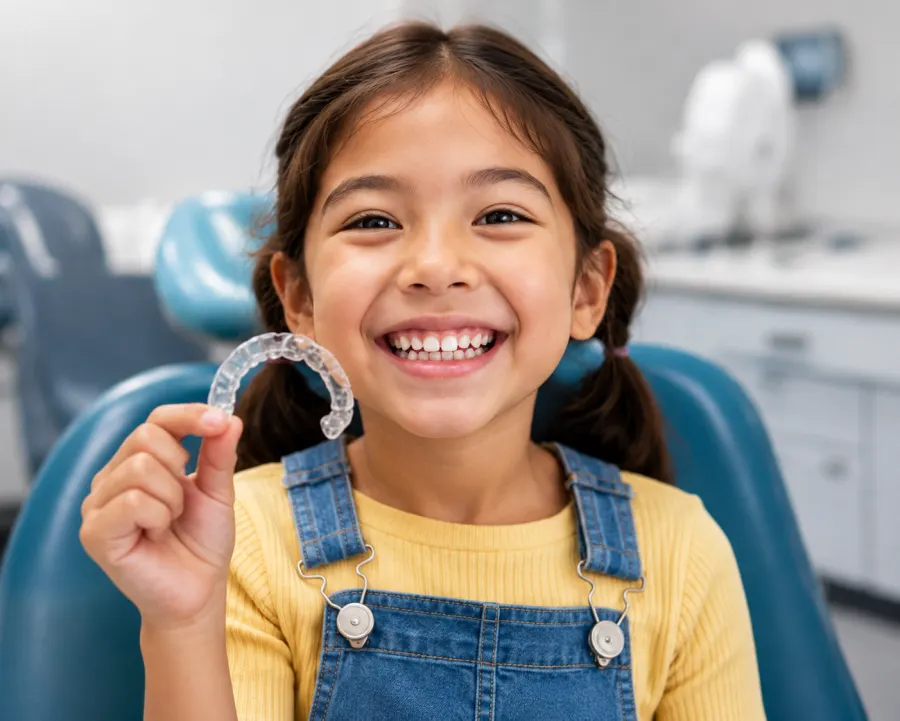
Searching for braces for kids usually begins with one question: when should treatment start? The American Association of Orthodontists recommends an evaluation around age seven, when an orthodontist can see how permanent teeth, jaw growth and the bite are developing. That visit does not mean a child will leave with braces.
Many children are best served by observation. Periodic growth checks let us watch permanent teeth arrive and choose a more efficient time for treatment. Earlier treatment is recommended only when addressing a developing problem now can reduce risk, guide growth or make later care more manageable.
When braces are appropriate, fixed appliances provide reliable control without asking a young patient to remember aligners throughout the day. We explain every step in age-appropriate language, teach brushing around the brackets and keep parents informed about progress, elastics and expected timing.
What parents should expect
- An early evaluation without pressure to begin treatment
- Growth monitoring when waiting is the better choice
- A plan based on dental development—not a standard age
- Practical help with brushing, food and sports
- Clear explanations of timing, cost and retention
Built for active years
Braces for teens
The teen years are a common time for comprehensive orthodontic treatment because most permanent teeth have arrived and growth can still support certain bite corrections. Modern braces are smaller and more comfortable than earlier generations, while giving the orthodontist precise control over tooth movement.
Because braces remain attached, treatment does not depend on remembering to wear an appliance. That can be a major advantage for students balancing school, sports, work and social schedules. Metal braces are durable and customizable with colored elastics; clear ceramic braces may suit teens who want a subtler fixed option.
Life continues during treatment. Teens can play sports with an orthodontic mouthguard and continue playing musical instruments. Avoiding hard and sticky foods, brushing carefully and wearing elastics as directed help prevent delays. At each visit, we review progress and make the adjustments needed to keep the plan moving.
Why fixed treatment works well for teens
- Continuous treatment without aligner wear-time tracking
- Precise control for alignment and bite correction
- Metal and clear ceramic options when appropriate
- Support for sports, instruments and busy schedules
- Progress visits and a personalized retainer plan

It is never too late
Braces for adults
Healthy teeth can be moved at any age. Adults use braces to improve crowding, spacing and bite relationships, prepare for restorative dental work or correct movement that occurred after earlier orthodontic treatment. The goal may be cosmetic, functional or a combination of both.
Adult cases sometimes involve crowns, missing teeth, implants, gum concerns or uneven tooth wear. Those details make specialist diagnosis especially important. We can coordinate treatment with your general dentist, periodontist or restorative dentist so the final tooth positions support the larger dental plan.
Modern metal braces are efficient and dependable. Clear ceramic brackets offer a less noticeable fixed option for selected patients. Both avoid the daily wear-time demands of removable aligners and can be an excellent choice for complex movements.
Appointments are planned as efficiently as possible around work and family life. Before beginning, you will understand the proposed appliance, estimated timeline, complete fee and the retention required after active treatment.
Benefits beyond a straighter appearance
- Treatment for first-time patients and orthodontic relapse
- Metal or clear ceramic braces when appropriate
- Better access for hygiene after crowded teeth are aligned
- Coordination with other dental treatment when needed
- Flexible financing and efficient progress visits
Compare your options
Types of braces we offer
Orthodontic Specialists of St. Louis offers modern metal braces and clear ceramic braces. Both are fixed appliances that use brackets and an archwire to guide teeth into planned positions. The primary differences involve bracket material, visibility, durability and whether the appliance is appropriate for the patient’s bite.
The best type of braces is not determined by appearance alone. Your orthodontist considers the correction required, the way the upper and lower teeth contact, age, daily habits and personal priorities. If both options can produce a predictable result, we explain the practical differences so you can choose confidently.
- Traditional metal braces — Durable, efficient and suitable for nearly every type of orthodontic correction. Smaller modern brackets improve comfort, and colored elastics allow younger patients to personalize their braces.
- Clear ceramic braces — Tooth-colored or translucent brackets that blend more naturally with the smile. They offer fixed treatment with a subtler appearance and are especially popular with older teens and adults.
- Combination treatment — Some patients may use clear brackets on the upper teeth and metal brackets on the lower teeth when that provides a better balance of appearance, durability and bite clearance.
How braces straighten teeth and improve the bite
Braces use brackets attached to the teeth and a carefully shaped archwire to apply light, controlled pressure. Over time, that pressure guides teeth through the supporting bone. Your orthodontist changes the wire, adds elastics or makes other adjustments as treatment progresses. The goal is not simply to make the front teeth look straight. A comprehensive plan also considers how the upper and lower teeth fit together, how the jaws function and how the finished result can remain stable.
Because braces stay in place, they work throughout the day without depending on a patient remembering to put them back in. That can make them a practical option for younger patients, busy families and anyone who prefers fixed treatment. Regular visits allow us to assess progress, keep the plan on track and make precise adjustments.
Metal braces versus clear ceramic braces
Traditional metal braces are durable, efficient and suitable for nearly every type of orthodontic correction. Modern brackets are considerably smaller than older designs, and colored elastics let children and teens personalize their smile during treatment. Adults may appreciate metal braces for their reliability, especially when significant tooth movement or bite correction is needed.
Clear ceramic braces use tooth-colored brackets that blend more naturally with the teeth. They provide the fixed control of braces with a less noticeable appearance. Ceramic brackets may require additional care to keep the surrounding elastics and teeth looking clean, and they are not ideal for every bite. Our clear ceramic braces guide explains the differences in greater detail so you can compare appearance, care and cost.
- Metal braces: durable, efficient and highly versatile
- Clear braces: more discreet fixed treatment
- Both options are planned and monitored by an orthodontist
How much do braces cost in St. Louis?
The cost of braces depends on the complexity of the tooth and bite correction, the estimated length of treatment and the appliance selected. A short, limited correction is different from comprehensive treatment involving both arches and a significant bite concern. That is why an accurate fee requires an orthodontic evaluation rather than a generic online estimate. Our St. Louis braces cost guide explains insurance, payment options and what a complete fee should include.
At your complimentary consultation, our team will explain the recommended plan and provide a clear treatment fee. We can review applicable dental-insurance benefits and discuss flexible payment arrangements. There should be no uncertainty about the investment before treatment begins. Families can begin at our Creve Coeur orthodontic office or Sunset Hills orthodontic office. When comparing orthodontic offices, consider what the fee includes, who plans and monitors treatment and how retainers and follow-up care are handled. You can also review how long braces take and what to eat with braces.
What to expect during braces treatment
Treatment begins with diagnostic records and a detailed plan. Placing braces is typically more unusual than painful: the teeth are cleaned, brackets are bonded and the first wire is secured. Tenderness is common for several days as the teeth begin responding. Softer foods, orthodontic wax and over-the-counter pain relief recommended for you can make the adjustment easier.
Visits are scheduled at intervals based on your plan. During these appointments, we evaluate movement, change wires or elastics and answer questions. Most comprehensive braces plans last approximately 12 to 24 months, although simpler cases may finish sooner and complex corrections can take longer. Keeping appointments, wearing elastics as directed and caring for the braces all influence progress.
Eating, brushing and living with braces
Braces should fit into real life, but they do require a few new habits. Hard, sticky or very chewy foods can bend wires or loosen brackets, so foods such as ice, hard candy and sticky caramel should be avoided. Crunchy foods can often be enjoyed when cut into smaller pieces. Athletes can continue playing sports with an orthodontic mouthguard designed to fit over braces.
Brushing around brackets and under the wire is essential because plaque can collect in areas that are harder to reach. We demonstrate effective brushing and flossing techniques and may recommend interdental brushes or a water flosser. Regular dental cleanings remain important throughout orthodontic treatment. If a bracket loosens or a wire becomes uncomfortable, call our office so we can determine whether an earlier visit is necessary.
Keeping your smile straight after braces
Removing braces is an exciting milestone, but orthodontic treatment does not end that day. Teeth naturally tend to shift as the surrounding bone and tissues adapt. Retainers protect the result while that adjustment occurs and help maintain alignment over the long term.
Your orthodontist will recommend the appropriate retainer type and wear schedule. Consistent wear is especially important during the first months after active treatment. Bring your retainer to follow-up appointments and contact us if it stops fitting, becomes damaged or is lost. Replacing it promptly is usually far easier than correcting significant movement later.
Good questions. Clear answers.
Frequently asked questions
What age is best for braces?+
There is no single best age. Many children begin comprehensive treatment after more permanent teeth have arrived, while some benefit from earlier care. Teens and adults can also be excellent candidates.
How long do braces take?+
Many comprehensive plans take about 12 to 24 months. Your exact timeline depends on the correction needed, biological response and cooperation with appointments and elastics.
Do braces hurt?+
Placement should not be painful, but temporary tenderness is common after braces are placed and following some adjustments. Most patients adapt within several days.
Can adults get braces?+
Yes. Healthy teeth can move at any age. Adult treatment may use metal braces, clear ceramic braces or Invisalign depending on the goals and bite.
How much do braces cost?+
Cost varies with complexity, treatment length and appliance choice. Your complimentary consultation includes a personalized estimate, insurance review and payment options.