
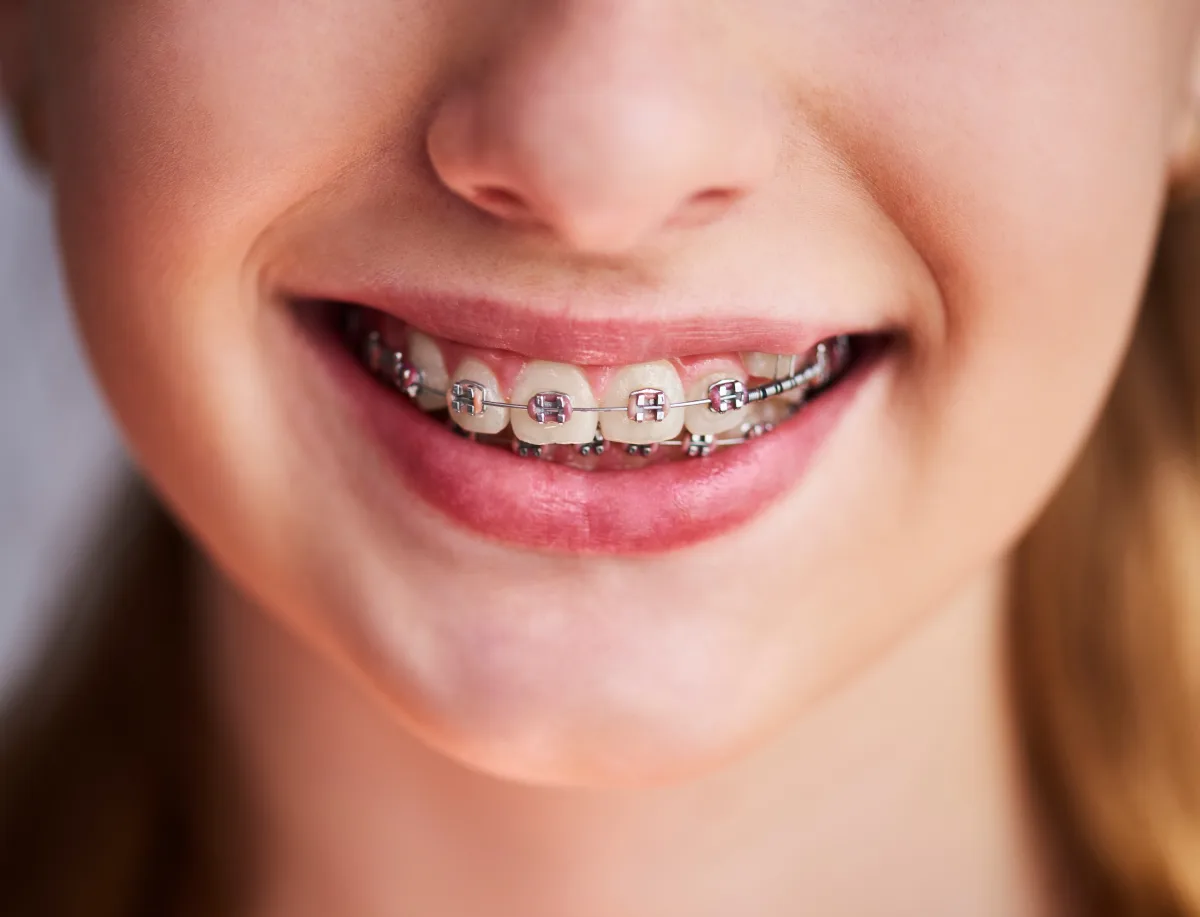
Many comprehensive braces plans take roughly one to two years, but an individual timeline depends on the correction, growth, biological response and how consistently treatment instructions are followed.
Why treatment times are different
Minor spacing or alignment may require fewer movements than correcting severe crowding, impacted teeth or a significant bite discrepancy. Plans involving growth, extractions or coordination with other dental procedures can also take longer. Explore the complete braces guide for kids, teens and adults for age-specific considerations.
Age is only one factor. Children and teens may have useful growth remaining, while adults may have restorative or periodontal considerations. Teeth also move at different biological rates even when patients appear to have similar starting problems.
What happens during braces treatment?
After brackets are placed, light archwires begin alignment. Later wires and elastics can coordinate the arches, close spaces and improve the bite. Finishing appointments focus on smaller details before braces are removed.
Visits occur at intervals chosen for the stage of treatment. More frequent appointments do not necessarily make teeth move faster; tissues need time to respond safely to controlled force.
What patients can do to prevent delays
Keep appointments, wear elastics exactly as directed and protect the appliances from hard or sticky foods. A broken bracket, repeatedly missed elastic wear or poor hygiene can interrupt the planned sequence. Use the braces food guide to protect brackets and wires.
Continue regular dental visits and follow brushing instructions. Significant plaque or gum inflammation may require treatment to slow or pause so the mouth can become healthy again. Treatment length can also affect the overall cost of braces.
Why retainers matter after braces
Removing braces ends active tooth movement, but it does not eliminate the natural tendency for teeth to shift. Retainers support the result as bone and soft tissues adapt and remain important over the long term.
Your orthodontist will prescribe the retainer type and wear schedule. Lost or damaged retainers should be replaced promptly before noticeable movement occurs.
Frequently asked questions
Can braces work in less than a year?+
Some limited cases can, but comprehensive bite correction commonly takes longer. Your estimate depends on the examination.
Do broken brackets extend treatment?+
They can if a tooth is no longer receiving the planned force. Contact the office when damage occurs.
Do adults wear braces longer?+
Not always. Complexity and biological response matter more than age alone, although adult dental health can affect planning.