
Treatment overview
About Invisalign
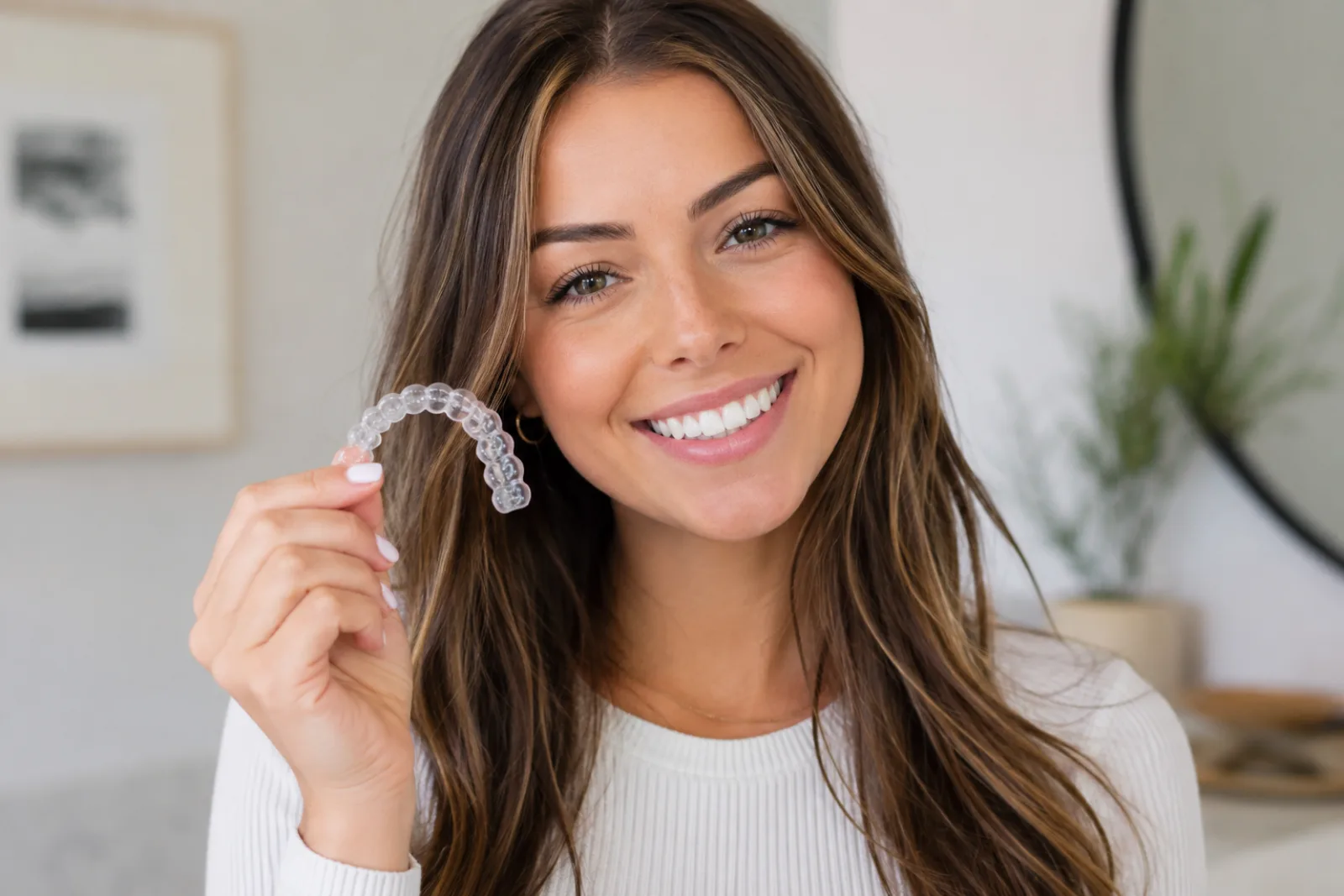
Invisalign is an orthodontic system that uses a customized series of clear, removable aligners to move teeth gradually into healthier positions. Because the aligners are made from transparent material and fit closely over the teeth, they are far less noticeable than traditional braces.
Invisalign treatment starts with a digital scan rather than a one-size-fits-all appliance. Our St. Louis orthodontists evaluate the teeth, roots, bite and jaw relationships, then maps the movements needed to reach the planned result. Each aligner represents one stage of that sequence and is worn before progressing to the next set.
Most patients remove their aligners only for meals, drinks other than water, brushing and flossing. Consistent wear matters: Invisalign generally needs to be worn 20 to 22 hours each day. Progress appointments allow us to confirm that the teeth are tracking, make clinical adjustments and order refinement aligners when the biological response differs from the digital plan.
Clear aligners can treat many cases involving crowding, spacing, overbite, underbite and crossbite. They are not automatically the best appliance for every patient. The most predictable recommendation comes from comparing the complexity of the correction with the patient’s age, habits and ability to manage removable treatment.
- Digital smile scan and treatment simulation
- Invisalign for kids and teens
- Invisalign for adults
- Attachments and elastics when appropriate
- Progress monitoring and refinements
- Retainers planned from the beginning
Benefits of Invisalign
Nearly invisible
Clear aligners make treatment less noticeable in school, at work, in photographs and during everyday conversations.
Removable freedom
Take aligners out for meals, brushing and flossing, then put them back in to keep treatment progressing.
Orthodontist-led
Your treatment is planned and supervised by a specialist trained to diagnose tooth, bite and jaw relationships.
Clear aligners for growing smiles
Invisalign for kids
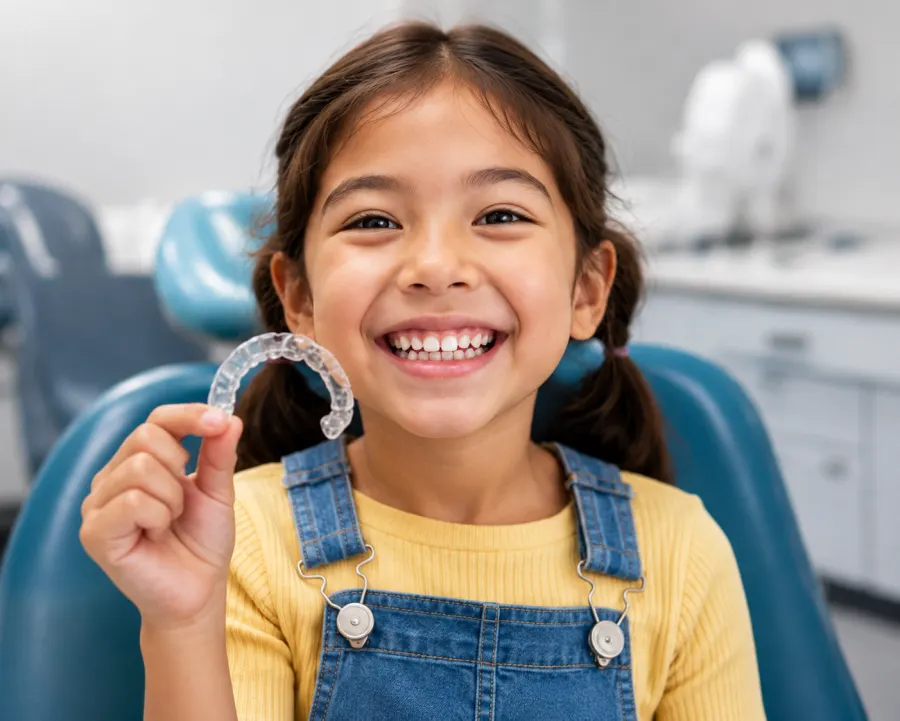
Children do not need to wait until every permanent tooth has arrived to be evaluated for clear aligners. Invisalign First was developed for selected patients in the mixed-dentition stage, when baby teeth and permanent teeth are present at the same time. It can create room for incoming teeth, address developing crowding and guide certain arch changes while a child continues to grow.
An orthodontic evaluation around age seven helps determine whether a developing problem should be treated, watched or simply left alone for now. Early evaluation does not automatically mean early treatment. If treatment would not provide a meaningful benefit, we monitor growth and recommend the right time to begin.
When Invisalign First is appropriate, the removable design can make brushing, flossing and eating easier than with fixed appliances. The tradeoff is responsibility: aligners only work while they are being worn. We talk honestly with children and parents about daily wear, lost aligners and the routines needed to keep treatment moving.
Is Invisalign First right for my child?
The answer depends on the developing bite, the movements required and the child’s readiness to wear and care for the aligners. The consultation is designed to answer those questions before a family commits to treatment.
- Designed for selected children with baby and permanent teeth
- Can address developing crowding, spacing and arch form
- Removable for meals, brushing and flossing
- Requires dependable daily wear and parent support
- Monitored by an orthodontist as the teeth and jaws develop

Confidence without putting life on pause
Invisalign for teens
Teenagers often want orthodontic treatment that does not dominate photographs, school events, sports or time with friends. Invisalign Teen uses a planned series of clear, removable aligners to correct many of the same alignment and bite concerns treated with braces, while keeping the appliance far less noticeable.
Each aligner is shaped to produce a specific part of the planned movement. The aligners are changed on the schedule we provide, and progress visits allow the orthodontist to check tracking, attachment fit and bite correction. Tooth-colored attachments or elastics may be recommended when the plan calls for more control.
The removable design means there are no bracket-related food restrictions. Teens take aligners out to eat, brush and floss, then put them back in. It also makes participation in contact sports and playing wind instruments more straightforward, although an appropriate sports mouthguard is still important.
The biggest difference between Invisalign and braces is accountability. Braces keep working because they stay attached. Invisalign Teen generally needs to be worn 20 to 22 hours each day. A teen who repeatedly forgets aligners, leaves them in napkins or does not return them after meals may finish more predictably with braces. We help families choose the appliance that fits the patient—not just the one that sounds best online.
What makes Invisalign Teen different?
Teen aligners are designed around growing patients and the realities of school and family life. Our team gives both the patient and parent a clear plan for wear, care and progress.
- Nearly invisible during school, photos and activities
- No food restrictions when aligners are removed
- Easy access for brushing and flossing
- Progress monitoring and refinements when needed
- A practical option for responsible, consistent wearers
Discreet treatment for real life
Invisalign for adults
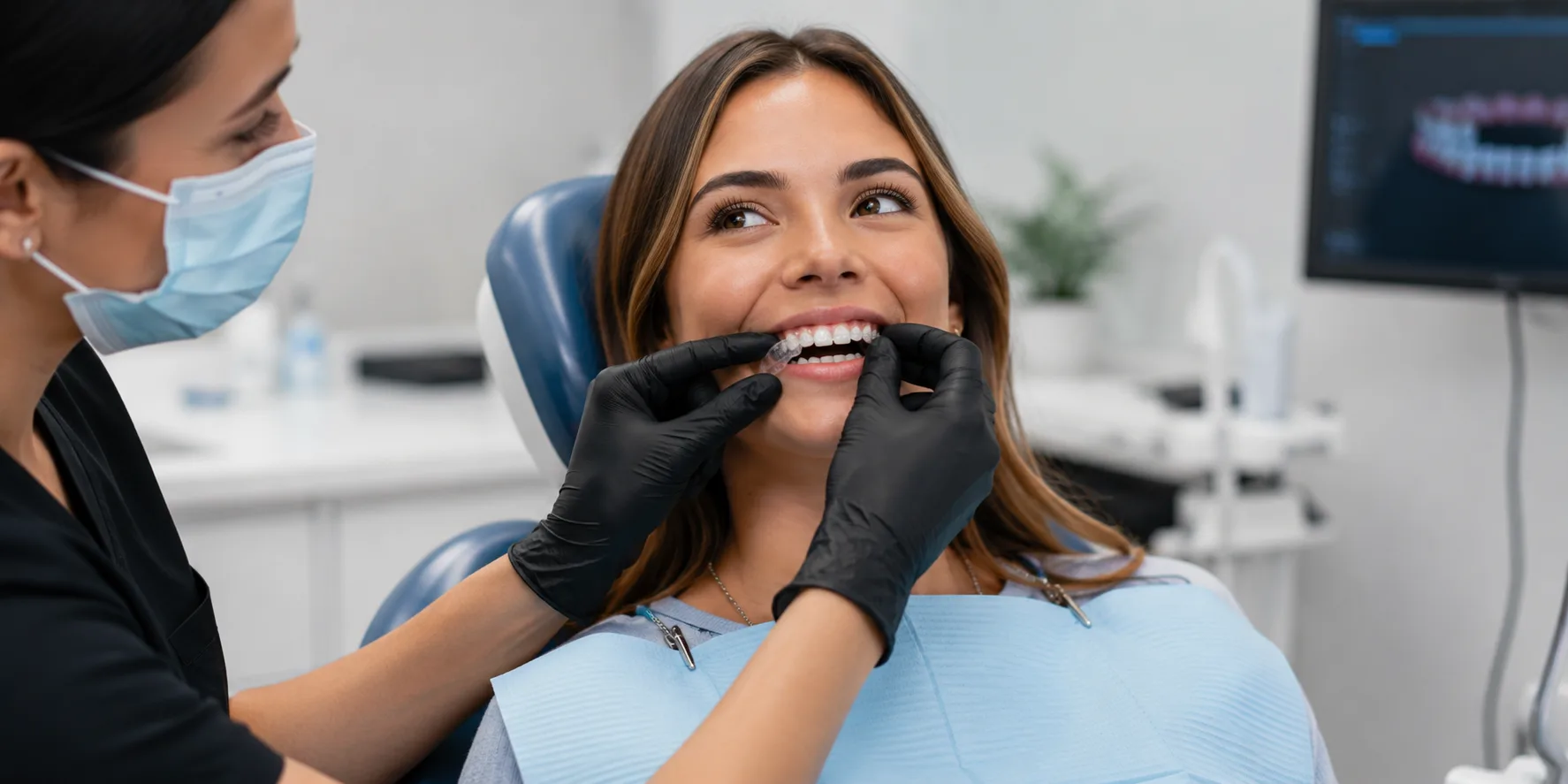
Orthodontic treatment is not limited by age. Adults choose Invisalign to address crowding, spacing, bite concerns or tooth movement that occurred after earlier braces. The aligners are subtle enough for meetings and social events, and they can be removed for meals and oral hygiene.
Adult planning often requires a broader view of dental health. Existing crowns, implants, bridges, gum concerns or planned restorative dentistry can influence the order and goals of treatment. We coordinate with your general dentist or other specialists when needed so tooth movement supports the complete dental plan.
Some adults need a limited correction; others benefit from comprehensive treatment involving both arches and the bite. A digital simulation is useful for explaining the plan, but it is not a guarantee or a substitute for clinical supervision. Your orthodontist monitors how the teeth actually respond and orders refinements when necessary.
Busy schedules are not a barrier to care. Invisalign appointments are generally efficient, but consistent wear remains essential between visits. We will explain the expected timeline, attachments, elastics, costs and retainer plan so you can decide whether aligners fit your priorities.
Why adults choose clear aligners
- Nearly invisible aligners for professional and social settings
- Removable for meals and normal oral hygiene
- Treatment for first-time patients and orthodontic relapse
- Coordination with restorative or periodontal care
- A personalized retention plan to protect the result
How Invisalign treatment works
Invisalign treatment begins with a digital scan that creates a detailed three-dimensional model of your teeth. Your orthodontist studies the teeth, roots, bite and supporting structures, then plans a sequence of movements. A series of custom aligners is manufactured from that plan. Each aligner applies controlled pressure to specific teeth before the next aligner continues the movement.
Small tooth-colored attachments may be bonded to certain teeth to give the aligners additional grip. Elastics may also be used when bite correction requires them. You will change aligners according to the schedule provided and return for progress evaluations. If the teeth respond differently than projected, a refinement scan can be used to create additional aligners and keep the result on target.
Who is a good candidate for Invisalign?
Many patients with crowding, gaps, overbites, underbites and crossbites can be treated with Invisalign. The technology is capable of much more than minor cosmetic alignment when it is planned by an experienced orthodontist. However, clear aligners are not automatically the best choice for every smile. Certain tooth positions, jaw-growth concerns or complex movements may be treated more predictably with braces or a combination approach.
Successful aligner treatment also depends on wear. Aligners usually need to be worn 20 to 22 hours each day and removed only for eating, drinking anything other than water and oral hygiene. Patients who frequently forget or lose aligners may achieve a more predictable result with fixed braces. Your consultation is the right time to compare the clinical and lifestyle tradeoffs honestly.
How much does Invisalign cost in St. Louis?
Invisalign cost varies because treatment plans vary. A limited alignment case may need fewer aligners and less monitoring than a comprehensive plan involving both arches and bite correction. The total also depends on treatment length, the need for refinements and what is included in retention and follow-up care. Published national averages cannot replace an evaluation of your specific needs. Our Invisalign cost guide explains the major pricing factors.
Your complimentary OSSTL consultation includes a personalized treatment recommendation and fee. Our team can review orthodontic insurance benefits and explain flexible payment options. In many comprehensive cases, Invisalign and braces may be similarly priced, but the exact comparison depends on the plan. We want you to understand the complete investment before choosing treatment. Consultations are available at our Creve Coeur orthodontic office and Sunset Hills orthodontic office.
Invisalign versus braces
Invisalign is removable and discreet, allowing patients to eat without appliance-related restrictions and brush and floss normally. Braces are fixed, so they work continuously and do not rely on wear-time discipline. Braces may also provide especially efficient control for certain complex movements. Both approaches can produce excellent results when the diagnosis and plan are appropriate.
The Invisalign versus braces comparison should begin with the biology of your case and the way you live. A teen who does not want to track aligners may do better with braces; families can use the teen comparison section to evaluate the daily responsibilities. An adult who values removability and can commit to consistent wear may prefer Invisalign. We will show you the practical differences, discuss expected treatment time and recommend the approach we believe gives you the most predictable path.
Eating, drinking and caring for clear aligners
Aligners should be removed for meals and snacks. Water is generally fine while they are in place, but colored, acidic or sugary drinks can become trapped against the teeth and may stain the aligners. After eating, brush when possible—or rinse thoroughly before putting the aligners back in. Store removed aligners in their case rather than wrapping them in a napkin, where they are easily discarded.
Clean aligners with cool or lukewarm water and the products recommended by our team. Hot water can distort the plastic. Maintaining excellent brushing, flossing and regular dental cleanings is important because aligners fit closely over the teeth. Contact us if an aligner is lost, damaged or no longer fitting correctly so we can advise whether to move forward, return to the previous set or order a replacement.
Treatment time, refinements and retainers
Invisalign treatment time depends on the amount and complexity of movement. Some limited cases may take months, while comprehensive treatment often lasts a year or longer. Consistent wear is one of the most important factors patients can control. Missed wear can cause the teeth to fall behind the planned aligner sequence and extend treatment.
Refinements are common and do not mean treatment has failed. Teeth are biological structures and may not move exactly as a digital simulation predicts. A refinement lets the orthodontist reassess the fit and plan the remaining movement. After active treatment, retainers are necessary to protect the result. We will recommend a retention plan and explain how long and how often the retainers should be worn.
Good questions. Clear answers.
Frequently asked questions
How many hours a day should I wear Invisalign?+
Most patients are directed to wear aligners about 20 to 22 hours per day. Your orthodontist will provide instructions specific to your treatment.
Can kids get Invisalign?+
Yes. Invisalign First and teen options can work for selected younger patients. Readiness, wear-time responsibility and the type of correction all matter.
Can Invisalign fix an overbite?+
Invisalign can treat many overbites and other bite concerns, sometimes with attachments or elastics. An examination is necessary to determine whether it is the best approach.
Does Invisalign hurt?+
Temporary pressure or tenderness is common when beginning a new set of aligners. It typically improves as the teeth adapt.
How much does Invisalign cost?+
Cost depends on complexity and treatment length. Your complimentary consultation includes a personalized fee, insurance review and financing options.